You pull the good forks out of the sideboard for a birthday dinner and find them the color of old smoke. Or you open a jewelry box and discover that the chain you wore all spring has somehow grown a scratch across the clasp. Silver doesn't need much encouragement to change. It reacts with sulfur compounds in the air, which is what turns it brown-black, and it takes scratches from anything harder than itself — which is most of what it usually gets stored beside.
The frustrating part is that most of the damage happens in the cupboard, not at the table. A handful of storage habits, some of them handed down with the best intentions, do more harm than a decade of Sunday dinners. Here are the ones worth breaking.
Putting Silver Away While It's Still Damp
This is the single most common mistake, and it's almost invisible. A fork looks dry the moment you finish with the towel, but water hides in the join between bowl and stem, inside a hollow handle, and around the rivets of an old knife. Seal that in a chest for three months and you get pitting, spots, and a bloom of tarnish that seems to come out of nowhere.
The fix is easy: hand wash in warm water with a mild dish soap, rinse, and dry immediately with a soft, absorbent cloth rather than letting pieces air-dry in a rack. Then leave everything spread on a clean towel for twenty minutes before it goes back in the box. If you have the counter space, dry flatware the same evening you use it rather than leaving it stacked in the sink overnight.
Two related traps: the dishwasher, whose detergent and high heat are hard on silver — and especially on hollow-handled knives and plated pieces where the finish can lift at the edges — and long soaks in the sink, which soften the surface and leave mineral deposits. Neither is worth the convenience.
Letting Pieces Touch Each Other
Silver is a soft metal. Every time two pieces rub together in a drawer, the harder or sharper one wins a little. That's where the fine grey scuffs on the backs of spoon bowls come from, and the hazy swirl on a polished bracelet that shares a compartment with a chain.
Use the slots in your flatware chest if you have one — that's what they're for. If you don't, bundle gently in a roll of soft cotton or flannel, or lay a piece of cloth between layers. For jewelry, keep one piece per pouch, fasten clasps so chains can't hook each other, and lay chains flat or hang them rather than dropping them into a heap. A tangled chain isn't just annoying; pulling it apart stretches the links.
Wrapping Silver in Whatever Is at Hand
Improvised storage is where a lot of quiet damage happens. Some everyday materials release sulfur, acid, or moisture, and silver is sensitive to all three.
- Rubber bands. Rubber contains sulfur. A band left around a bundle of forks for a few years will leave a dark line that can be very stubborn to remove. Use cotton ribbon or a soft tie instead.
- Cling film and ordinary plastic bags. They trap moisture against the surface and keep air from moving. If you want plastic, use bags sold for silver storage, which are treated to slow tarnish.
- Newspaper. The ink is acidic and it transfers. It also abrades. Wrap in acid-free tissue or washed cotton.
- Cardboard boxes. Board is acidic and it holds damp. A shoebox is a bad home for a christening cup or a set of serving spoons.
- Wool felt and old foam. Wool can carry sulfur compounds, and aging foam crumbles into a sticky dust that bonds to metal. Check linings once a year and replace anything that has gone tacky or powdery.
What works: cotton flannel, acid-free tissue, silver cloths and bags treated with a tarnish inhibitor, and a small packet of silica gel in the drawer to pull humidity out of the air. Change the silica every few months, or dry it out in a warm oven if the instructions allow.
Choosing a Spot That Works Against You
Where silver lives matters as much as what it's wrapped in. Warmth and humidity both speed tarnish, so the bathroom, the shelf above the stove, the laundry room, and the basement are all poor choices — even a pretty bathroom cabinet lined with velvet. Kitchens are usually fine as long as the pieces are away from steam and the dishwasher's vent.
Two more quiet culprits. First, wooden drawers: some woods, oak in particular, give off vapors that darken silver, so line the drawer with a silver cloth or felt before anything goes in. Second, mixed metals in direct contact: don't store silver flatware loose in a tray with stainless steel pieces, and don't leave sterling rings sitting against steel clasps for months. A cloth barrier between different metals removes the problem entirely.
And skip the trick of putting silver in the freezer or fridge to slow tarnish. Condensation when it comes back out does more harm than the cold does good.
Polishing Too Often, or Too Hard
Every polish removes a microscopic layer of silver. On sterling that's a slow toll; on silver plate it's the difference between a piece that lasts and one that shows the base metal through at the high points. Yet toothpaste, baking soda paste, and rough kitchen cloths are still the standard household remedy, and they are all abrasives.
Save the polishing for when a piece actually needs it, and use a proper silver polish with a soft cloth, working in straight lines rather than circles. Wash off the polish residue afterward — it's slightly abrasive and holds moisture — and dry thoroughly. If you use a dip, keep it for badly tarnished pieces and read the label, because dips strip the deliberate darkening in engraved details and aren't suitable for everything. Heavily tarnished flatware can also be cleaned in an aluminum foil and baking soda bath, but treat that as an occasional rescue, not a monthly routine.
Forgetting That Jewelry Has Its Own Rules
A silver chain and a silver spoon have different problems. Rings and bracelets with settings collect dust and lint in the crevices, which abrades the surface and dulls stones. Pearls and opals are far softer than metal and shouldn't share a compartment with anything that could rub them. Pieces you wear daily pick up skin oils, lotion, and perfume, and those residues hold moisture against the metal — a quick wipe with a soft cloth before the jewelry goes in the box makes a real difference over a year.
Keep jewelry out of the bathroom, give each piece a little air rather than sealing a whole tangle in one bag, and never pile heavier pieces on top of delicate ones.
A Five-Minute Reset, Once a Season
You don't need a display cabinet or a restoration kit. An occasional short session handles nearly everything.
- Empty the drawer or chest and wipe it out with a dry cloth. Look for damp, dust, and crumbling lining.
- Retire any rubber bands, cling film, newspaper, or sticky foam.
- Put a fresh silica packet and, if you have one, an anti-tarnish strip in the corner.
- Check that pieces aren't touching, and that chains are fastened and lying flat.
- Wipe anything you've worn since the last check, and set aside the one or two pieces that genuinely need polish.
Silver ages well when it's given half a chance — it just prefers dry, dark, room-temperature air and a soft barrier between neighbors. Get those three things right and your flatware will come out of the drawer ready to use, and your jewelry will stop collecting the kind of wear that can't be undone.
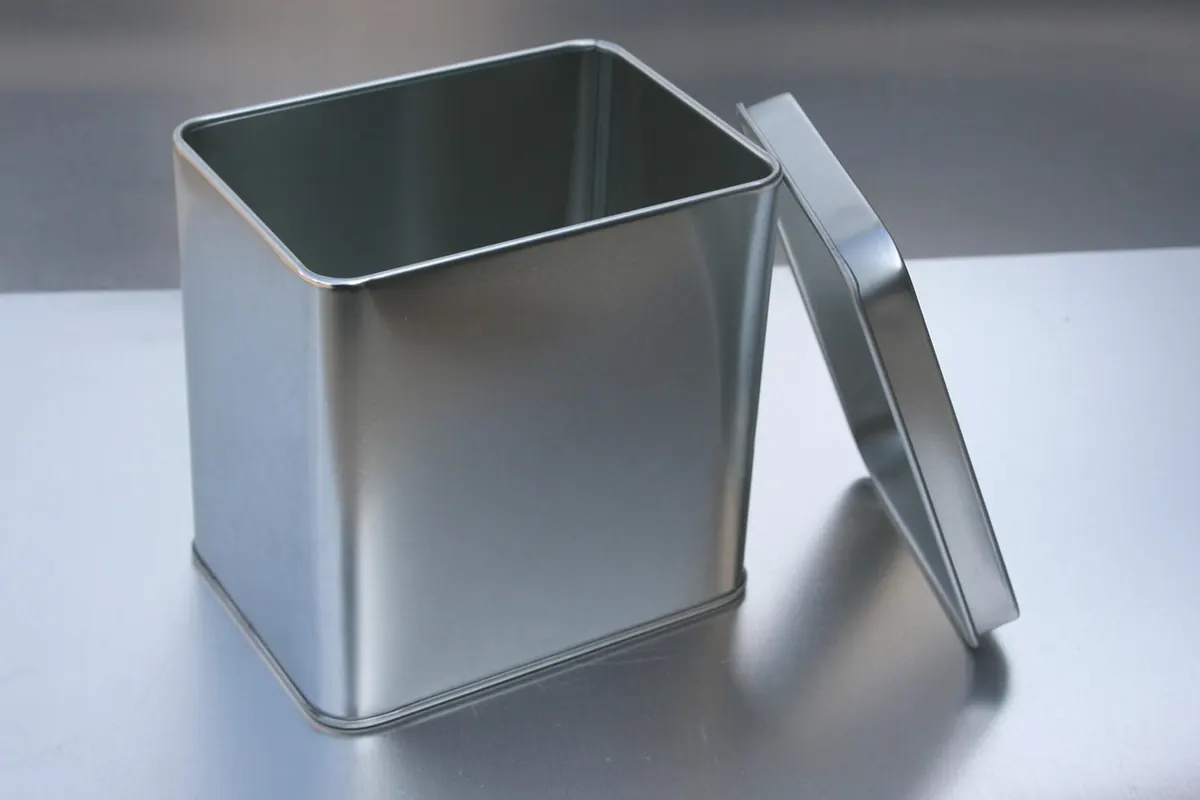
Photo: dosenwelten / Pixabay